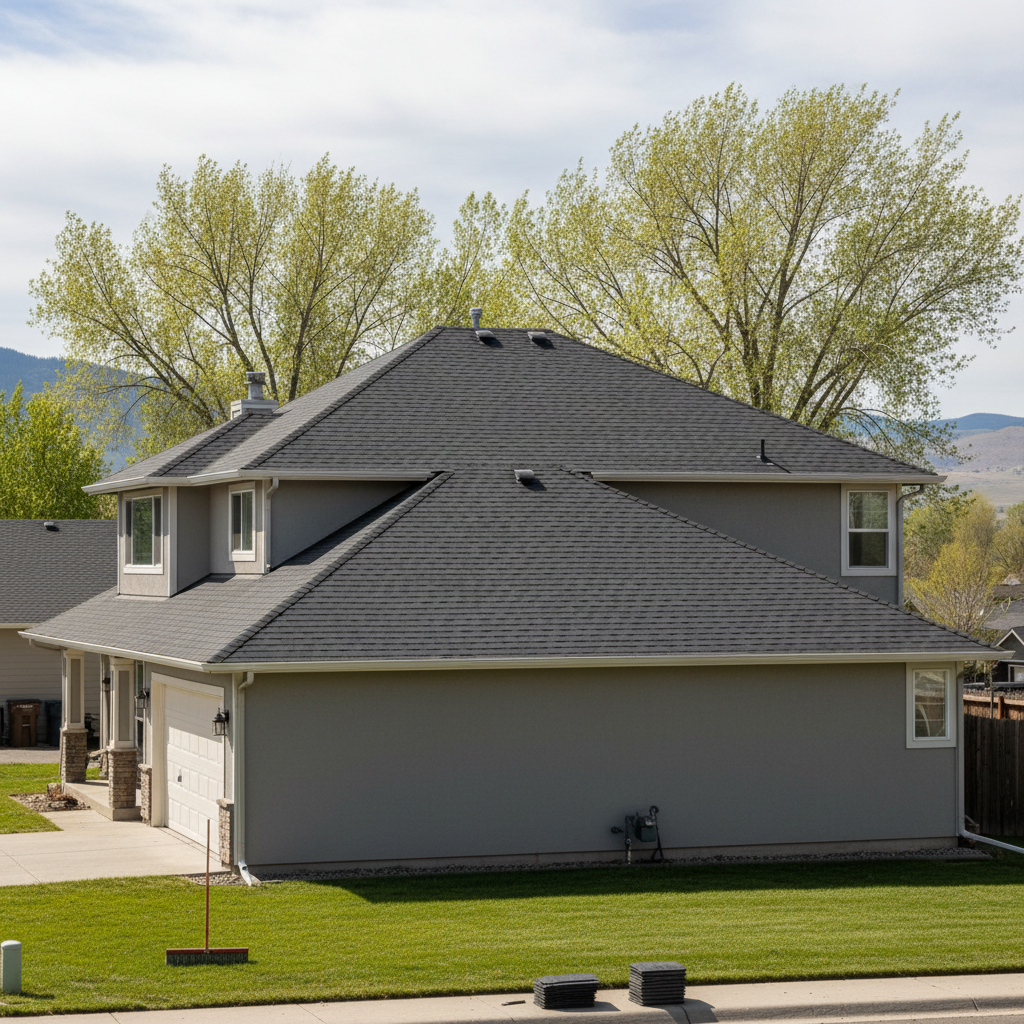
A big storm can hit Pasco hard, leaving a real mess behind. Whether it's high winds tearing off shingles or hail pounding your siding, dealing with the aftermath is stressful. I've seen it countless times after a typical Tri-Cities windstorm blows through. You're probably wondering what comes next, how long it'll take, and who you can trust to fix things right. Let's break down how to plan your storm damage repair project.
Your Timeline for Storm Damage Repair
Once the storm passes and you've made sure your family is safe, your first thought is probably getting things fixed. But don't rush into anything without a plan. Here's a general timeline you can expect:
- Immediate Steps (Day 1-3): First, assess the damage safely. Take photos and videos of everything. If you have a leak, try to tarp it off to prevent more interior damage. Call your insurance company right away to file a claim. They'll give you a claim number and tell you what to do next. Don't wait on this; the sooner you call, the sooner they can get an adjuster out.
- Adjuster Visit & Estimates (Week 1-3): Your insurance adjuster will come out to inspect the damage. It's a good idea to have your contractor there with you, if possible. They can point out things the adjuster might miss. After the adjuster's visit, you'll start getting estimates from contractors. Don't just get one; get two or three. Compare them carefully.
- Approval & Scheduling (Week 3-6+): Once your insurance approves the scope of work and you've picked a contractor, they'll order materials and schedule the job. Depending on material availability and the contractor's workload, this could take a few weeks. Good contractors are often busy after a major storm.
- Construction (Days to Weeks): The actual repair work. This varies wildly depending on the extent of the damage. A simple roof repair might be a day or two, but a full roof replacement or extensive siding work will take longer.
- Final Walk-Through & Payment (Completion): After the work is done, you'll do a final walk-through with your contractor. Make sure you're happy with everything before making final payments.
Keep in mind, these are just estimates. A widespread storm event can back up insurance adjusters and contractors for months. Patience is key, but don't let anyone drag their feet unnecessarily.
What to Expect During the Process
Dealing with storm damage isn't just about the repairs; it's also about navigating the insurance process and having people working on your home. Here's what's typical:
- Insurance Jargon: You'll hear terms like